About the Project
Zodiac Navigator is an advanced astronomical tool designed for enthusiasts of celestial mechanics.
We use real-time data to calculate planetary positions with high precision, helping you understand the cosmic alignment.
Navigating the Heavens: The Science of Zodiac Signs and Constellations
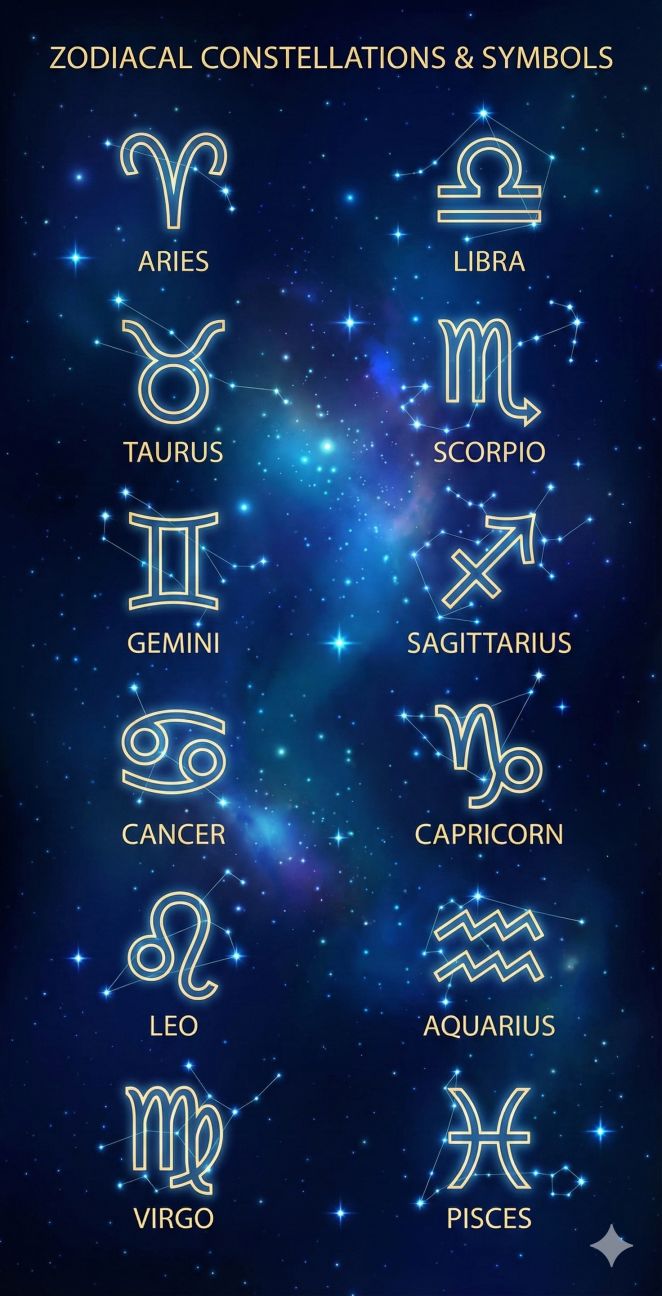
The ecliptic represents the annual path the Sun appears to follow across the celestial sphere. This movement is considered apparent because it is actually a result of the Earth’s own orbital motion around our star, making the Sun seem to slide against the background of different stars throughout the year. Extending eight degrees above and below this central line is the zodiac, a celestial band sixteen degrees wide that contains the paths of the Moon and the planets. While ancient civilizations divided this path into twelve equal thirty-degree segments known as zodiac signs, these mathematical divisions are quite different from the actual zodiacal constellations found in the sky today.
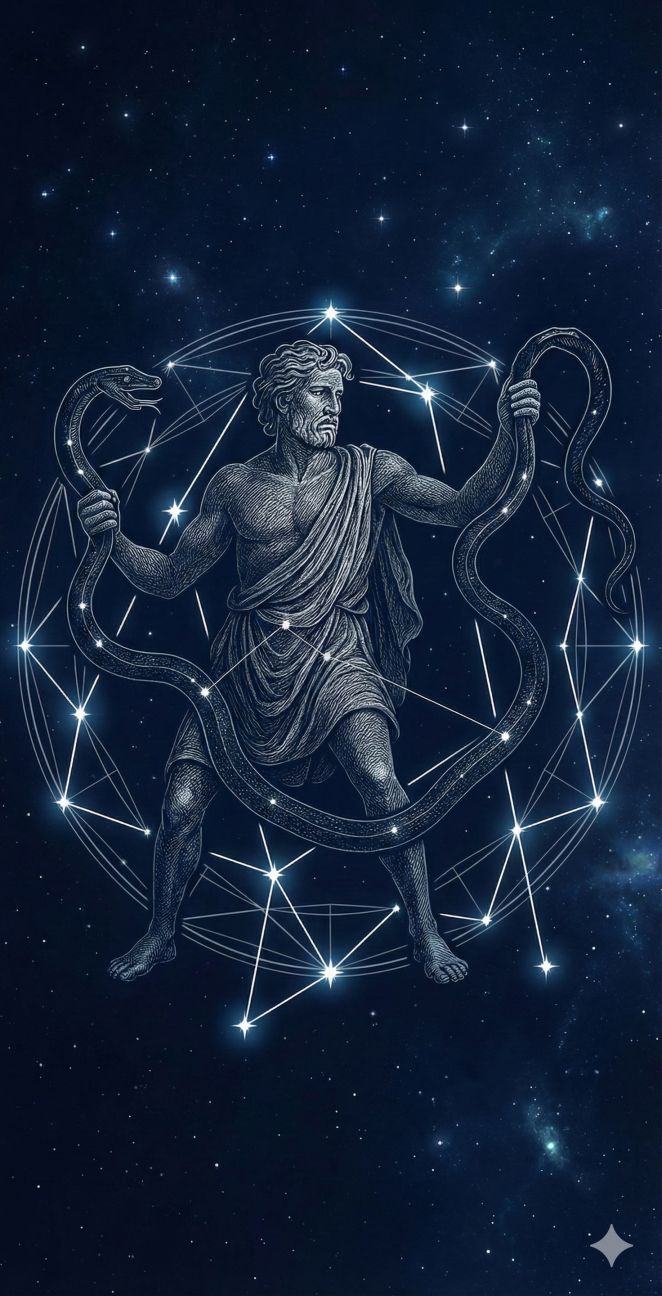
The mismatch between the twelve traditional signs and the physical stars is primarily driven by three factors. First, the Earth’s axis undergoes a slow wobble called precession, which has caused the starting point of the zodiac to shift significantly over the last two thousand years. As a result, the Sun no longer occupies the same constellations during the dates traditionally assigned to each sign. Second, unlike the equal thirty-degree slices of the signs, real constellations have irregular boundaries and varying sizes. This means the Sun spends vastly different amounts of time in each, such as forty-five days in Virgo but only seven days in Scorpius. Finally, the Sun’s actual path currently travels through thirteen constellations rather than twelve, with Ophiuchus serving as an additional member of the physical zodiacal path. Furthermore, because the zodiac is a wide belt rather than a narrow line, the Moon and planets frequently visit several other constellations beyond this primary group, making the real astronomical zodiac much more complex than the traditional twelve-part system.
Current Moon Phase